


Today, a visit to the barber does not have to be limited to a quick clipper cut and a brief chat about the weather. However, the growth and increasing popularity of barbering services has created a considerable challenge: how can you recognise a true professional? The knowledge and skills of a specialist in this field are certainly confirmed by the qualification ‘Providing barbering services’.
Contents:
The modern barber: more than just a haircut
Today, barbershops offer everything from a traditional cut-throat razor shave and hot towel treatments to precise beard shaping. Barbering is no longer just a fashionable trend.
Market qualifications included in the Integrated Qualifications System (IQS) also respond to the needs of this part of the labour market. They include the qualification ‘Providing barbering services’.
What does a barber do?
A barber is a specialist who can analyse a client’s face shape and profile, as well as the direction of hair growth, and use this information to select the ideal facial-hair style and cutting technique. Barbering combines aesthetics, anatomy and precision. A person with this qualification therefore does much more than simply cut hair.
A barber:
- assesses the client’s needs and selects appropriate care: evaluates the condition of the scalp and facial skin, as well as the structure of facial hair, and recommends suitable treatments (e.g. oiling and conditioning);
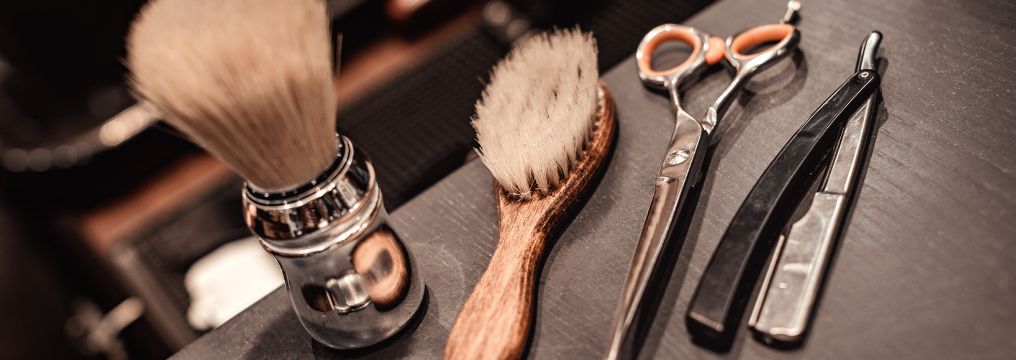
- uses haircutting and shaving techniques: skilfully uses clippers, scissors and a cut-throat razor for both dry and wet shaving;
- styles hair and facial hair: is familiar with current trends and selects appropriate products;
- ensures hygiene and occupational health and safety (OHS): knows the procedures for cleaning, disinfecting and sterilising equipment.
A barber needs to know haircutting and styling methods, but soft skills are also essential in this profession. A certified barber can listen actively to clients, conduct a consultation before providing a service, and respond professionally to comments or any concerns. A visit to the barber is also an opportunity for conversation and building relationships.
Who is this qualification for?
The market qualification ‘Providing barbering services’ (Polish Qualifications Framework level 4) has been designed with a range of educational and career pathways in mind:
- for students and graduates of stage I and stage II sectoral vocational schools, technical secondary schools, and students and graduates of post-secondary schools;
- for self-taught barbers and enthusiasts – people who developed their first skills at home or during workshops and now want to have their skills formally recognised;
- for hairdressers – professionals who want to expand the range of services offered by their salons;
- for people changing careers or returning to the beauty sector.
Benefits for everyone
A qualification provides official confirmation of skills, a robust description of learning outcomes and, ultimately, a credible certificate. This brings benefits:
- for clients – assurance of safety, hygiene and high-quality services;
- for employees – confidence that their skills and the services they provide have been confirmed by a panel of experts and that they are properly prepared to perform their work;
- for salon owners – an IQS certificate is clear evidence that a candidate already has specific competences.
From passion to professionalism
Barbering is a perfect example of a craft rooted in tradition while adapting to a modern lifestyle. Thanks to the IQS and the qualification ‘Providing barbering services’, a passion for cutting and styling hair and working with people can be formally recognised and provide a strong position in the sector.
Want to find out more?
You can also find other qualifications from the beauty sector in the Integrated Qualifications Register. Take a look, for example, at:
Market qualifications:
Styling eyelashes using classic, light-volume and high-volume techniques
Providing manual facial contouring and rejuvenation treatments
Providing nail extension and styling treatments with elements of hand and foot care
Vocational education qualifications:
Hairdressing services technician
Providing facial beauty treatments
You can also check available training courses and funding opportunities in the Development Services Database (BUR): see the qualification page, in the ‘How and where can I obtain the qualification?’ section